
When choosing adult toys, the material used plays a vital role in determining the overall experience. TPE (Thermoplastic Elastomer) and silicone are two of the most commonly used materials in the industry, each offering distinct advantages and considerations. Whether you are a manufacturer, distributor, or consumer, understanding the differences between these materials will help you make an informed decision when selecting adult toys.
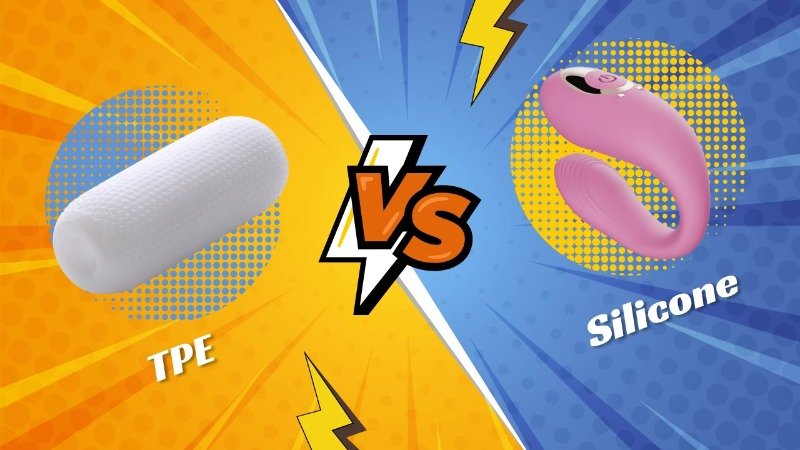
In this guide, we’ll compare TPE and silicone adult toys across key factors such as safety, feel, durability, maintenance, and cost to help you understand which material best suits your needs.
Material Composition and Feel
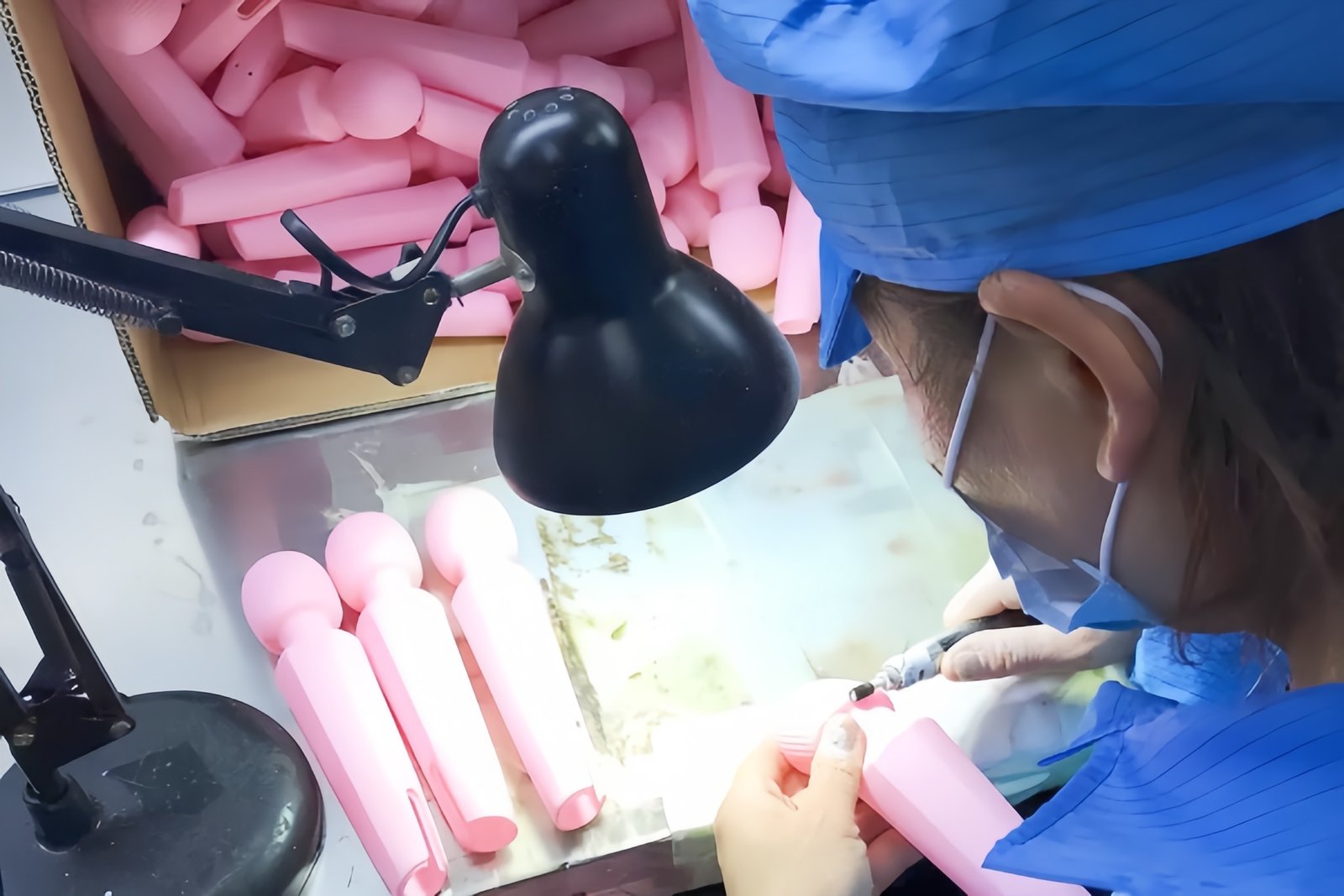
The most noticeable difference between TPE and silicone is their feel and composition. Both materials are designed to offer a pleasant tactile experience, but each has its own distinct qualities.
TPE is a blend of rubber and plastic, known for its softness and flexibility. It has a lifelike, flesh-like texture that mimics human skin closely. This makes it ideal for products like realistic dildos or masturbators, where a softer, more flexible feel is desired. TPE is also warm to the touch, adding to the realism.
On the other hand, silicone is a synthetic rubber that is firmer and more durable than TPE. While silicone offers a smooth, soft texture, it doesn't mimic the natural feel of skin as closely as TPE. However, silicone’s structure makes it more stable and less prone to wear over time, providing a consistent feel throughout its life.
Safety and Health Considerations
When choosing an adult toy, safety is always a top priority. Both TPE and silicone can be safe materials if sourced properly, but there are key differences when it comes to potential health risks.
TPE is more porous than silicone, which means it can absorb bacteria, moisture, and oils. This increases the risk of infections if the toy is not cleaned thoroughly after each use. Additionally, some lower-quality TPE materials may contain harmful chemicals like phthalates, which can cause irritation or other health issues. Therefore, it’s crucial to choose body-safe, phthalate-free TPE to reduce the risk of adverse reactions.
Silicone, however, is non-porous, hypoallergenic, and free of harmful chemicals. It’s the go-to material for those seeking a body-safe, long-lasting toy. Medical-grade silicone is commonly used for adult toys, ensuring that they are safe, easy to clean, and won’t cause skin irritation or infections. Silicone is FDA-approved for medical use, further reinforcing its safety profile.
Durability and Longevity

Durability is another important factor to consider when choosing between TPE and silicone adult toys. The lifespan of a toy can depend heavily on its material composition and how well it is cared for.
TPE is more flexible but tends to degrade faster than silicone over time. It can tear more easily with repeated use and may lose its softness or texture if not maintained properly. The porous nature of TPE also makes it prone to accumulating dirt and bacteria, which can further degrade the material’s integrity if not cleaned thoroughly.
In contrast, silicone is incredibly durable and resistant to wear and tear. It can withstand regular use without breaking down, cracking, or losing its texture. Silicone’s non-porous nature makes it easier to maintain and clean, prolonging the product’s lifespan. While silicone toys may have a higher initial cost, their longevity and ease of maintenance make them a worthwhile investment in the long run.
Maintenance and Cleaning

Cleaning is an essential part of maintaining adult toys, and the material of the toy plays a significant role in how easy it is to care for.
TPE requires more attention when cleaning. Since it is porous, it can absorb oils, bacteria, and other impurities, making it more prone to retaining unpleasant smells or harboring harmful microorganisms. Cleaning TPE toys requires more effort, as they need to be thoroughly washed with soap and water after every use. Some TPE products may also require the application of renewal powder to maintain their softness.
Silicone is much easier to clean and maintain. Being non-porous, it doesn’t absorb bacteria or oils, which makes it far less likely to harbor germs. Silicone toys can typically be cleaned with soap and water, and many can be sterilized by boiling them or using a UV sanitizer. The ease of cleaning makes silicone a more convenient option for those seeking a hassle-free maintenance experience.
Cost and Value

One of the significant differences between TPE and silicone is the cost. TPE tends to be more affordable than silicone, making it a popular choice for budget-conscious consumers. The material is cheaper to produce, which allows manufacturers to sell TPE-based products at a lower price point.
However, while TPE is less expensive, it may require more frequent replacements due to its shorter lifespan and more complex maintenance needs. Silicone, although typically more expensive, offers better value in the long term. Its durability, ease of maintenance, and non-porous nature make it a more cost-effective choice over time, especially for those who prioritize safety and longevity in their adult toys.
Which One Should You Choose?
Ultimately, the choice between TPE and silicone depends on your personal preferences and priorities. If you are looking for a realistic, flexible feel at a more affordable price, TPE may be the better option. However, if you are prioritizing safety, durability, and ease of cleaning, silicone is the superior choice.
To help summarize:
| Factor | TPE | Silicone |
|---|---|---|
| Feel | Soft, stretchy, lifelike feel | Firmer, smooth, luxurious feel |
| Safety | Must be phthalate-free, can be porous | Hypoallergenic, non-porous, body-safe |
| Durability | Less durable, more prone to wear | Highly durable, long-lasting |
| Cleaning | Requires more maintenance | Easy to clean, non-porous |
| Cost | More affordable | Higher initial cost but longer value |
Conclusion
Both TPE and silicone adult toys offer unique benefits, and the right choice depends on your personal preferences. TPE provides a softer, more realistic feel at a lower cost, but requires more maintenance and care. Silicone, on the other hand, offers superior safety, durability, and ease of maintenance, making it a great long-term investment.
Contact us today to request design samples, explore material options, or start your next custom adult toy project with our professional manufacturing team.
Ken
Founder of SexLifeToday
info@sexylifetoday.com
Visit our website