
Many adult product brands lose money not in marketing, but in factory selection. A weak OEM or ODM decision often leads to delays, quality complaints, and damaged brand trust.
OEM fits brands with clear product plans, unique designs, and strong control needs. ODM fits brands that want faster launch, lower development risk, and easier market entry. The right choice depends on product complexity, cost targets, lead time, and quality expectations.
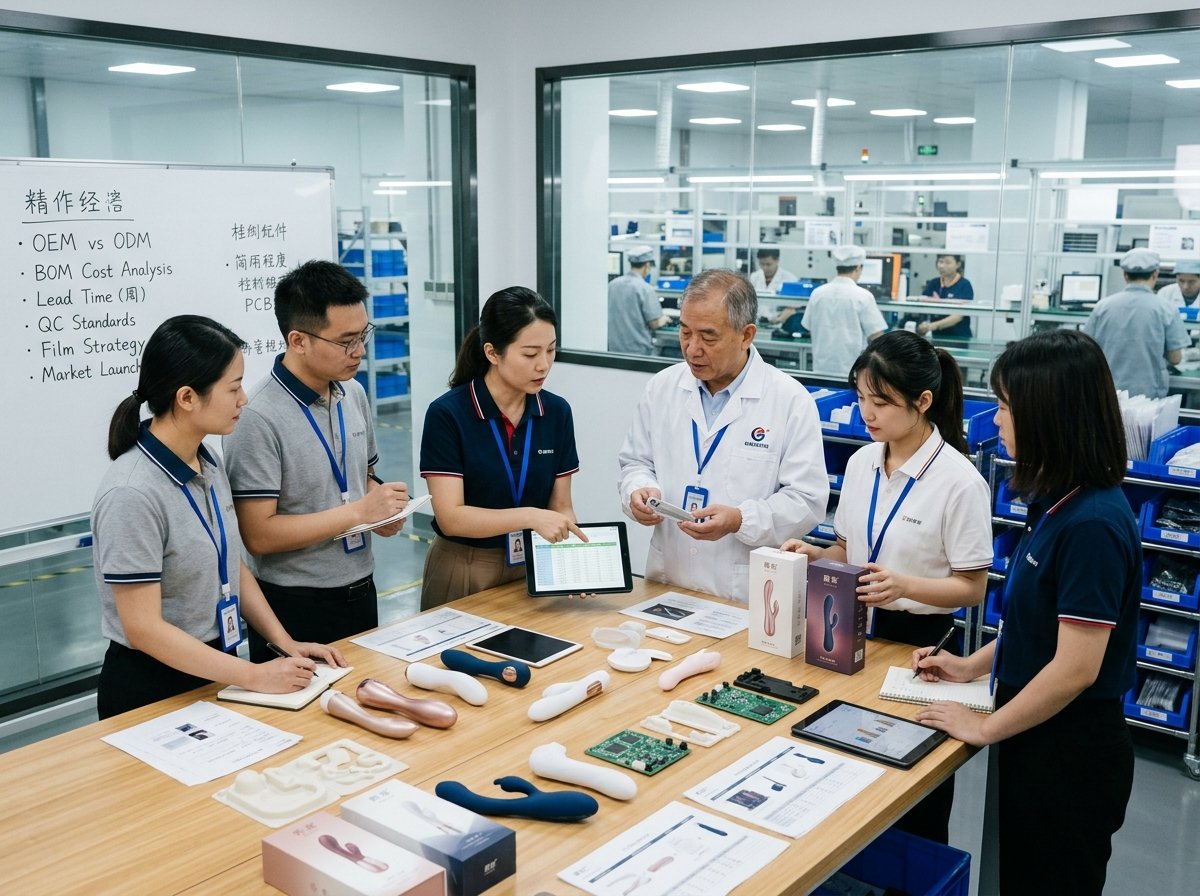
The adult product market keeps growing, but buyer expectations are getting sharper. Brand owners, distributors, retailers, and sourcing teams are no longer only comparing prices. They are checking durability, materials, compliance, customization depth, and after-sales reliability before they place an order.
Why Does the OEM vs ODM Choice Matter So Much in Silicone Adult Products?
A wrong start can create problems that stay for the whole product life cycle. Many brands focus on shape, color, or packaging first, but the deeper issue is often the manufacturing model behind the product.
The OEM vs ODM choice matters because it affects product control, launch speed, tooling cost, quality stability, and how much a brand can truly differentiate in the market.
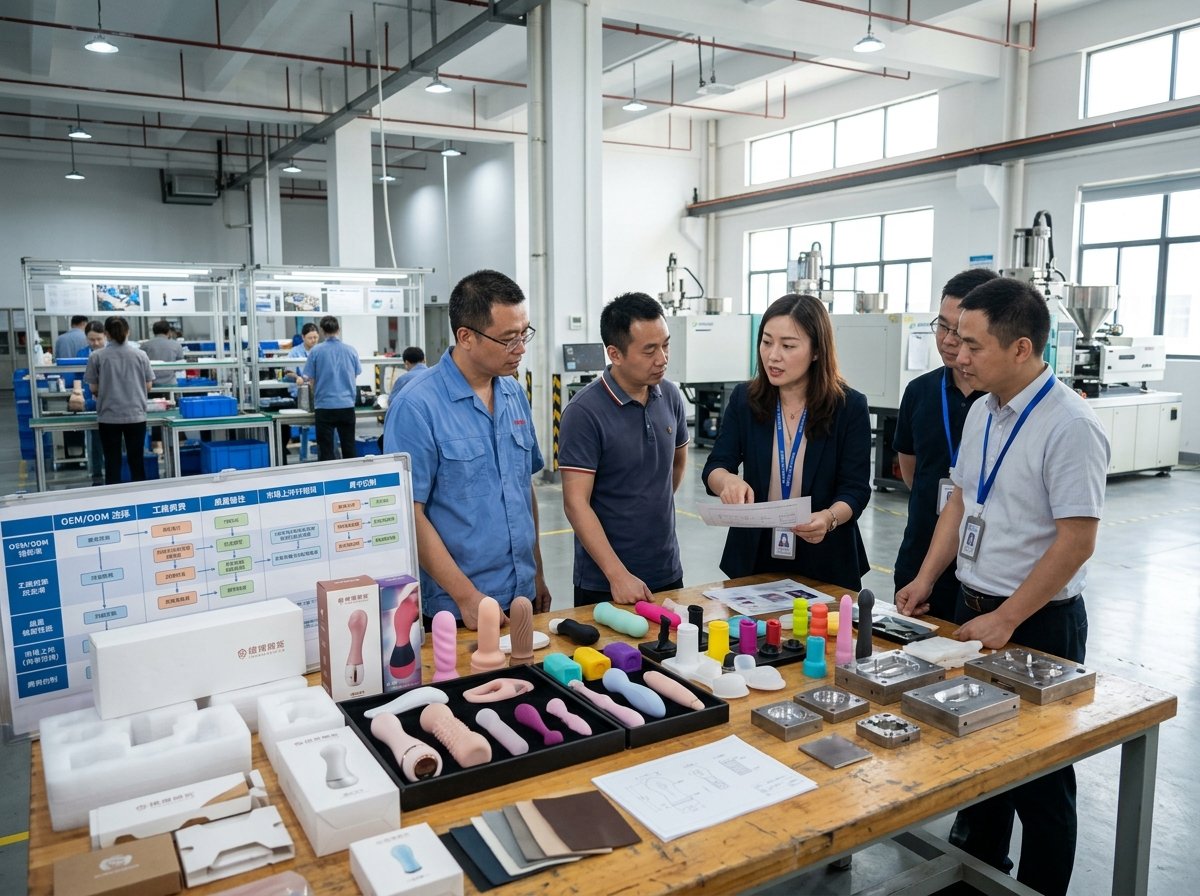
In silicone adult products, product quality is tied to more than appearance. It comes from material behavior, mold structure, internal design, testing standards, and production consistency. This is especially important in categories such as vibrators, masturbators, dildos, and sexy dolls made from medical-grade silicone, ABS, and other compliant materials.
Forum and review complaints across the industry show the same pattern again and again: cracking at high-stress zones, loose joints, tearing on thin sections, odor problems, surface peeling, wrong maintenance guidance, shipping damage, and product mismatch versus advertised images. These are not random issues. They often begin much earlier, at the stage where the product model and development route were chosen.
What usually goes wrong when the model is chosen badly?
| Risk area | Common result |
|---|---|
| Weak product definition | Brand receives a product that looks acceptable but performs poorly |
| Poor material choice | Odor, tearing, stickiness, deformation, or fast wear |
| Low validation standard | Joint loosening, cracking, structural failure, or short service life |
| Incomplete documentation | Buyers get mixed maintenance instructions and more complaints |
| Weak factory follow-through | Delays, wrong specs, missing parts, and weak after-sales response |
A real factory with in-house design, R&D, and sales teams can control these links much better than a trading layer that only passes messages back and forth. That difference becomes even more obvious when buyers need custom development, repeated testing, packaging integration, or long-term OEM/ODM cooperation for global markets.
What Is OEM Manufacturing for Silicone Adult Products?
Many buyers hear “OEM” and think it only means putting a logo on an existing item. In serious product development, that is only a small part of the picture.
OEM manufacturing means the buyer brings the product concept, specifications, or brand requirements, and the factory turns that direction into production with controlled customization.
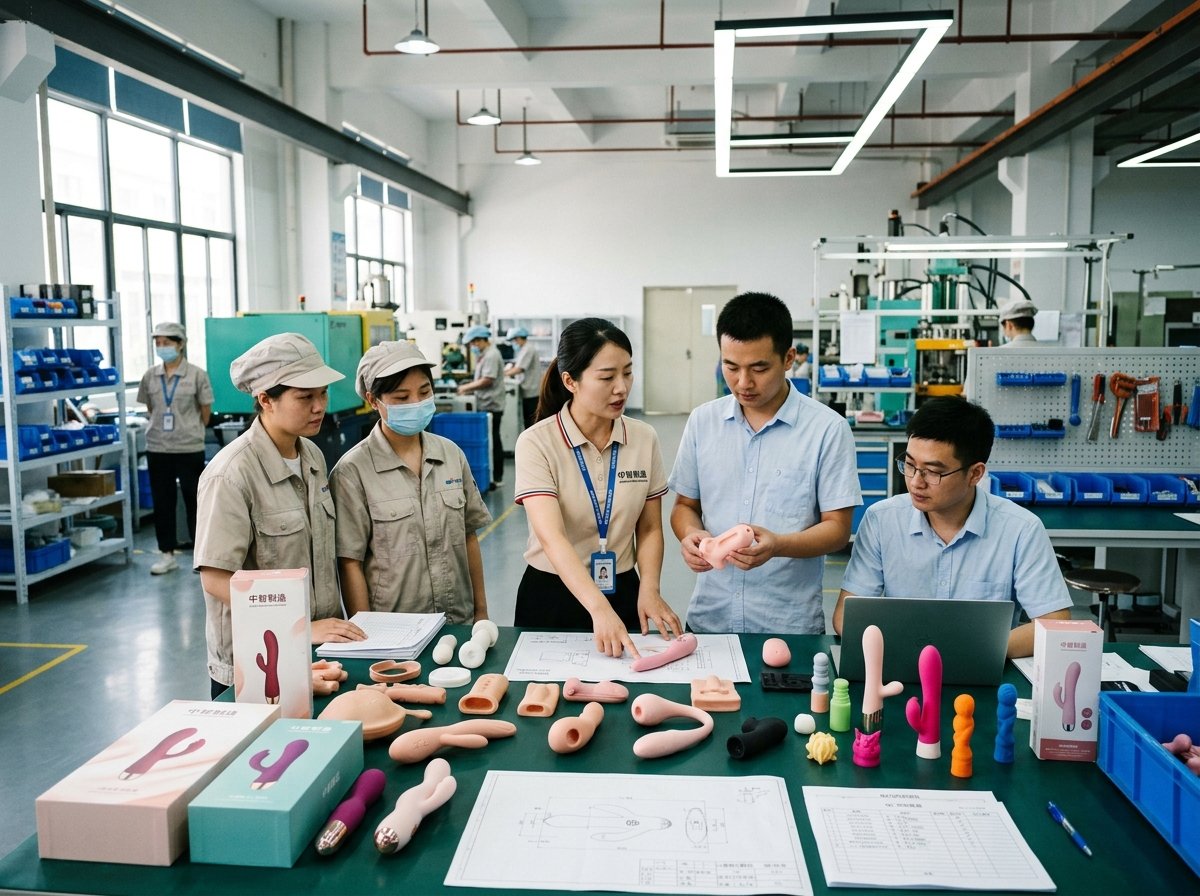
In adult product manufacturing, OEM usually applies when a brand already has a clear idea of what it wants. That may include body dimensions, surface texture, motor performance, softness target, color system, packaging style, charging method, accessory set, or compliance target for different markets.
For silicone-based products, OEM often requires stronger technical communication because small design changes can affect both user feel and long-term durability. A thin wall may improve softness, but it can also increase tearing risk. A softer formulation may improve first touch, but it may also weaken fatigue resistance or create deformation under heat. This is why many poor market products end up with the same complaints: elbows cracking after long bending, thin sections tearing after oil contact, or odor complaints caused by unstable material systems.
OEM usually works best when these conditions exist
| Condition | Why it matters |
|---|---|
| Clear brand positioning | Helps define product structure and quality level |
| Need for exclusive design | Supports stronger channel differentiation |
| Long-term volume plan | Makes tooling and development investment reasonable |
| Strong quality expectations | Allows deeper validation before launch |
| Skilled sourcing team | Helps manage sample review and engineering discussion |
For buyers serving North America, Europe, and Japan, OEM is often the better path when the goal is not just to sell a product, but to build a stable brand line with defensible product value. A factory with OEM/ODM experience for known brands can usually shorten the learning curve because it already understands testing logic, packaging expectations, market compliance, and defect prevention.
What Is ODM Manufacturing for Silicone Adult Products?
Many new brands want speed, but speed without structure often creates rework later. That is where ODM becomes useful when handled correctly.
ODM manufacturing means the factory already has a developed product base, and the buyer selects, adjusts, and brands that product for faster launch.
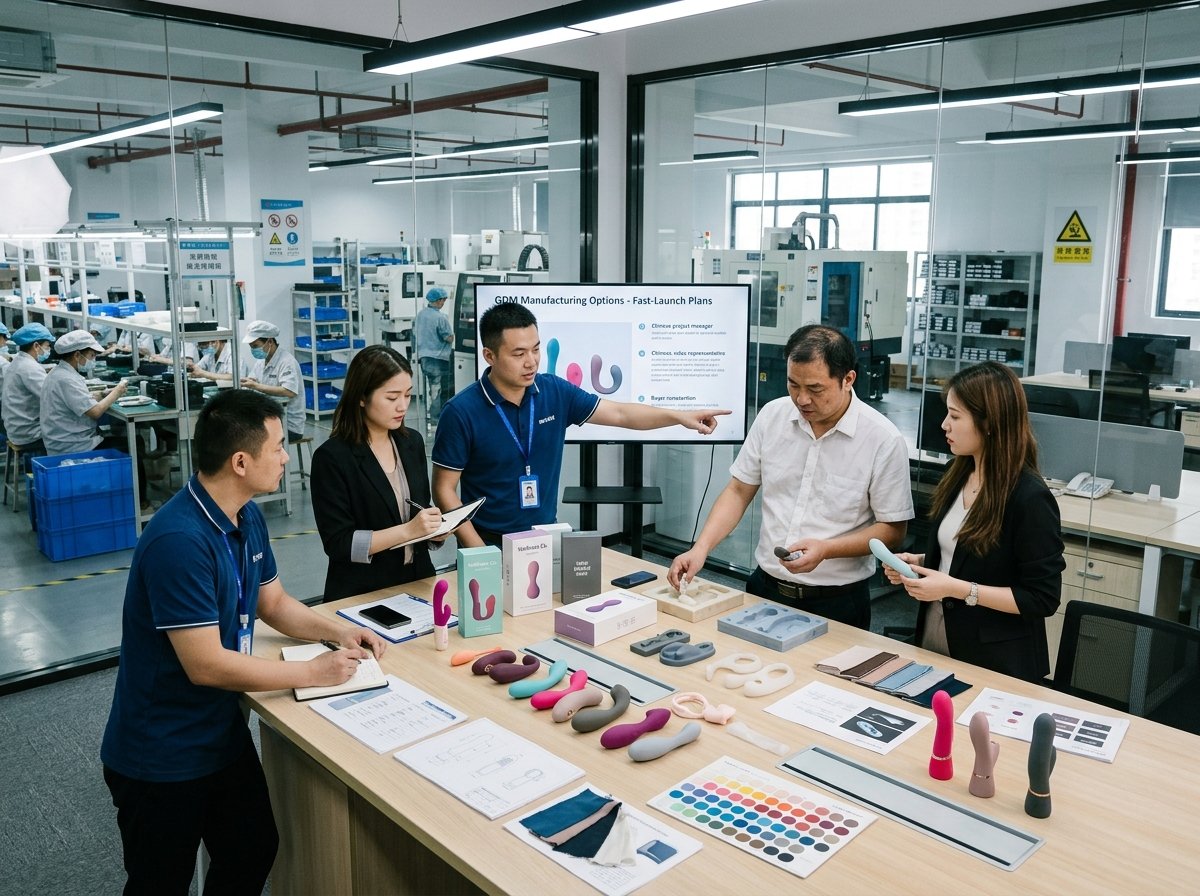
ODM is common when a distributor, online seller, or emerging brand wants to enter the market quickly. Instead of starting from zero, the buyer chooses from existing body platforms, mold structures, motor systems, packaging formats, or appearance bases. Then the project moves into selected customization, such as logo, color, surface finish, packaging, accessories, or slight structural updates.
This route reduces development time, but not every ODM product is equal. Some factories only offer a catalog with shallow branding options. Others, especially real manufacturers with design and R&D teams, can provide a stronger ODM path with real engineering support behind it. That means the product is already tested, the mold logic is proven, and common failure points have already been improved.
Strong ODM is not just “pick and print a logo”
| ODM level | What it usually means |
|---|---|
| Basic ODM | Logo, package, and simple color change |
| Advanced ODM | Material tuning, accessory changes, packaging redesign |
| Strategic ODM | Platform-based customization with factory engineering support |
For buyers trying to avoid market complaints, mature ODM can actually be safer than rushed OEM. If a product platform has already gone through durability checks, user feedback loops, and repeated production runs, it may have fewer hidden risks than a fully new design. This matters in adult products, where durability complaints often come from rushed development and weak validation, not from market demand itself.
Which Model Fits a Brand Strategy Better?
The answer depends on what the brand is trying to protect: speed, uniqueness, margin, or long-term control.
OEM fits a differentiation strategy. ODM fits a speed-to-market strategy. The better model is the one that matches the brand’s real stage, budget, and internal product capability.
Some buyers want a fully unique product because they are building a premium line and need exclusive appearance, unique tactile performance, or a signature package story. In that case, OEM usually makes sense. Other buyers care more about entering a marketplace quickly, testing a category, or expanding a product matrix with lower risk. In that case, ODM is often more practical.
A simple comparison
| Factor | OEM | ODM |
|---|---|---|
| Product uniqueness | High | Medium |
| Development speed | Slower | Faster |
| Tooling investment | Higher | Lower |
| Engineering control | Higher | Medium |
| Launch risk | Higher at first | Lower at first |
| Brand differentiation | Stronger | More limited |
The mistake many buyers make is choosing OEM too early or ODM too blindly. A new seller may push into full custom development without enough sales data. That often increases cost, delays the launch, and creates avoidable engineering problems. On the other side, an established brand may choose a simple ODM product, only to find that competitors are selling nearly the same item with minor visual changes.
A capable factory should not push only one route. It should help match the route to the buyer’s actual commercial goal.
What Buyers Should Check Before Starting an OEM or ODM Silicone Adult Product Project?
Many sourcing problems begin because buyers check samples, but not systems. A product can look attractive in photos and still fail badly in real use.
Before starting an OEM or ODM project, buyers should check material stability, factory capabilities, quality controls, customization depth, test standards, compliance readiness, and after-sales process.
[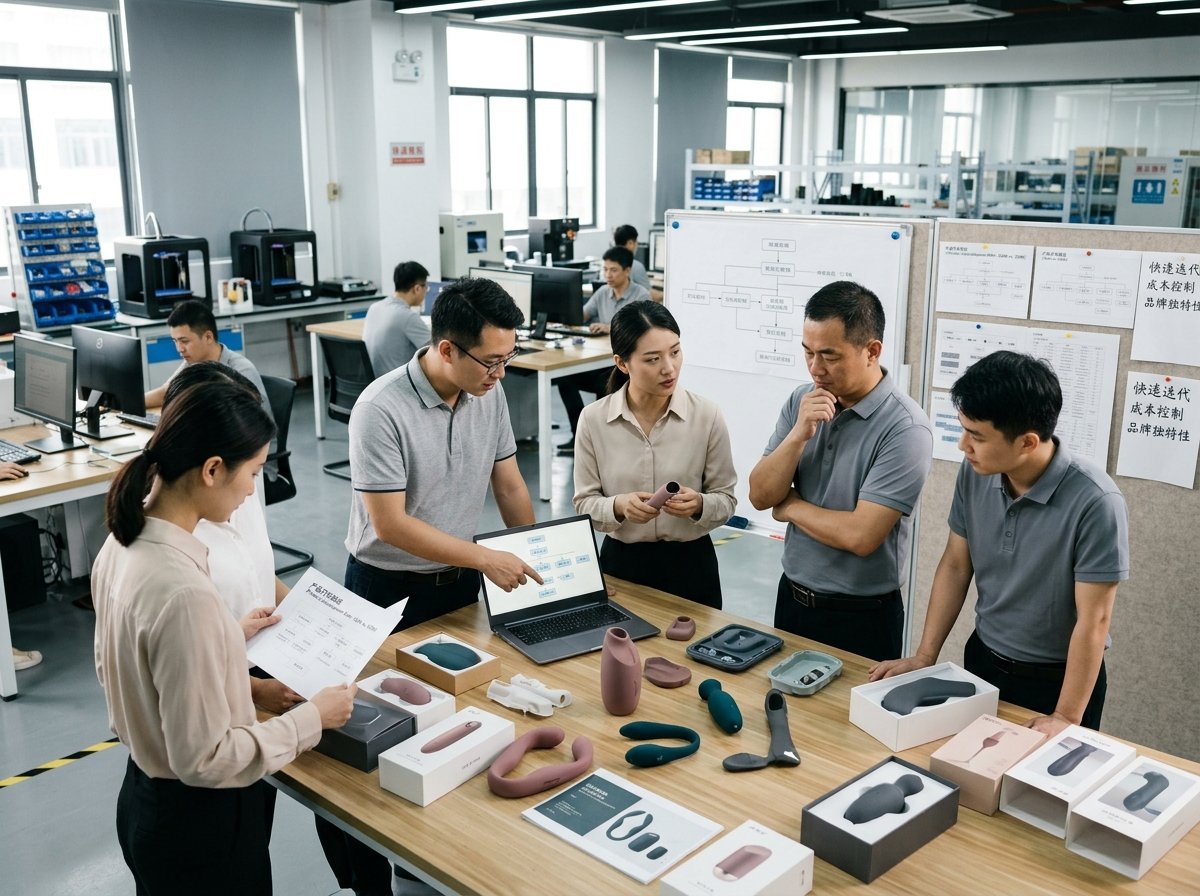
The adult product market has enough public complaint data to make these checks very clear. Repeated issues in the market include cracking in high-stress areas, thin-section tearing, odor complaints, peeling surfaces, loose skeletons, difficult maintenance, mismatch between images and actual goods, and poor response after shipment. That means the buyer should not only ask, “Can this be made?” but also, “How is failure prevented?”
Key checks before moving forward
1. Material and structure validation
Ask how the factory handles:
- fatigue resistance in bending zones
- thin-wall tear risk
- heat sensitivity
- anti-odor control
- anti-stick and anti-stain treatment
- compatibility with cleaning and maintenance methods
2. Factory depth
A real factory should be able to show:
- in-house design support
- in-house R&D process
- own production control
- sample development ability
- testing logic, not just sales language
3. Quality system
Check whether the factory has control points for:
- incoming material
- in-process inspection
- final appearance and function check
- packing accuracy
- shipping damage prevention
4. Documentation and user guidance
A strong supplier should provide:
- maintenance SOP
- storage guidance
- safe pose or usage limits where relevant
- cleaning instructions
- repair or replacement policy
Buyers who skip these questions often pay later through returns, bad reviews, and lost repeat orders.
How Do Cost, Customization, and Lead Time Differ Between OEM and ODM?
The cheapest quote is often the most expensive decision later. Cost only makes sense when viewed together with development depth, testing scope, and defect risk.
OEM usually costs more and takes longer because it needs more design, tooling, sampling, and validation. ODM usually costs less and launches faster because it builds on an existing product base.
Cost in this industry is not only mold cost or unit cost. It also includes hidden cost from rework, delay, unstable quality, claim handling, bad ratings, and damaged brand trust. That is why a mature ODM product can sometimes deliver better real profit than a rushed OEM project, even when the OEM story sounds more premium.
Main differences
| Item | OEM | ODM |
|---|---|---|
| Initial development cost | Higher | Lower |
| Sample rounds | More | Fewer |
| Tooling need | Usually higher | Often lower |
| Lead time to launch | Longer | Shorter |
| Flexibility | Higher | Moderate |
| Defect prevention burden | Heavier at development stage | Lower if platform is mature |
For silicone adult products, the development timeline can also change based on surface detail, internal structure, electronics, packaging complexity, and testing level. For example, a highly customized product with special softness, custom mold details, and branded packaging will naturally need more rounds than a platform-based ODM item with standard functions and private-label packaging.
Experienced OEM/ODM factories that have served well-known brands usually manage this balance better. They can advise where customization adds real value and where it only adds cost without improving sell-through.
How Can a Factory Reduce the Quality Risks Buyers See Across the Market?
Many product complaints in the adult category are already predictable. That means they can also be reduced with the right engineering and process control.
A strong factory reduces market risk by improving structure, material formulation, testing standards, maintenance guidance, and shipment control before the product reaches the customer.
Across public reviews and forums, the same failure themes appear again and again: cracking at elbows and wrists, tearing at joints, soft areas collapsing under pressure, odor complaints, peeling coatings, finger breakage, poor access design, shipping damage, and wrong-item delivery. These patterns are useful because they point directly to where a factory should improve.
Practical factory actions that matter
| Complaint theme | Better factory response |
|---|---|
| High-stress cracking | Improve radius transition, wall thickness, and fatigue formulation |
| Thin-zone tearing | Reinforce weak areas and tighten material control |
| Odor complaints | Use lower-odor systems and improve post-processing |
| Peeling or abrasion | Improve surface treatment and wear testing |
| Loose internal structure | Upgrade joint standards and life-cycle testing |
| Confusing care guidance | Provide one clear maintenance SOP |
| Shipping damage | Upgrade protective packaging and shipment checks |
| Wrong specs delivered | Use SKU mapping and pre-shipment verification |
A factory with its own design, R&D, and sales departments can move faster on these improvements because engineering feedback, buyer feedback, and production reality are connected. That matters even more for OEM/ODM partners serving adult product brands that cannot afford repeated customer complaints in Amazon, Shopify, distributor channels, or retail programs.
How Should Brands Decide Between OEM and ODM in Real Projects?
The best decision is usually not emotional. It comes from matching the project goal with the manufacturing route.
Brands should choose OEM when uniqueness and long-term control matter most. Brands should choose ODM when faster launch, lower development burden, and lower initial risk matter more.
A brand launching its first silicone adult product line may do better with a carefully selected ODM platform, then move into OEM after the market has confirmed demand. A mature brand with clearer product direction, stronger budgets, and channel pressure for exclusivity may get more value from OEM from the start.
What matters most is not choosing the more fashionable term. It is choosing the route that protects quality, supports the sales channel, and reduces avoidable complaints. That is especially true in a category where end users quickly notice odor, tearing, surface feel, weight, structure, packaging damage, and mismatch between promise and reality.
Conclusion
The right OEM or ODM model can protect product quality, launch efficiency, and brand trust. A reliable factory partner makes that choice clearer, safer, and more profitable.
For brands, distributors, buyers, and product teams looking for a real manufacturing partner in China, factory depth matters. Strong in-house design, R&D, and sales coordination can make the difference between a product that only looks good in photos and one that performs well in the market. Experience with OEM/ODM projects for known brands also helps reduce development mistakes, speed up communication, and improve production consistency.
For companies planning a silicone adult product project, the next step is not only to compare quotations. It is to compare manufacturing logic, testing depth, customization ability, and quality control. A factory that understands both product design and market complaints can help reduce risk before the first shipment leaves the line.
Product discussions, custom development requests, and cooperation inquiries are welcome. Contact details can be shared to start a more detailed project evaluation, sample discussion, or OEM/ODM cooperation plan.